Cary-Hiroyuki Tagawa spent a lifetime mastering the art of intimidation on screen. With a single glance — sharp, still, assessing — he could command a room, a battlefield, or a universe. Hollywood loved him for it. Audiences feared him for it. And fellow actors admired him endlessly for the discipline behind every role.
Now, the man whose presence defined generations of cinematic villains has died in Santa Barbara at the age of 75.
For decades, Cary Tagawa embodied the perfect antagonist: a face carved for menace, a voice tuned for authority, a presence that lingered long after the credits rolled. It didn’t matter if he appeared for ten minutes or an entire film — he left an imprint.
But those who knew him beyond the screen often said the same thing: behind the villain’s mask was one of the kindest men in the industry.
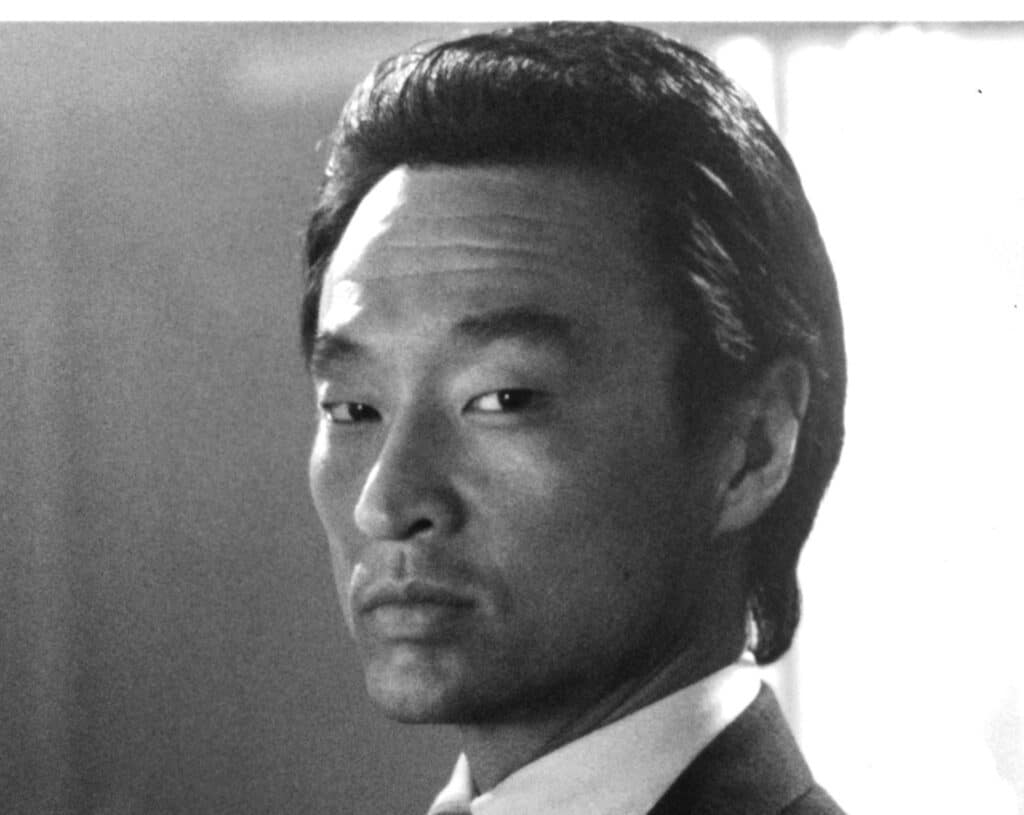
A LIFE BUILT ON CRAFT, NOT HYPE
Born in Tokyo and raised between Japan and the United States, Tagawa was the son of a U.S. Army veteran and a Japanese mother. He carried those dual identities into every performance, blending cultural discipline, theatrical instinct, and spiritual grounding into characters that felt larger than life.
And he never forgot the advice he wished for every young actor:
“First, the worst possible thing you can do as an actor is start believing the Hollywood hype. Number two, go for the craft, and forget everything else.”
It was a philosophy he lived by — quietly, consistently, without compromise.
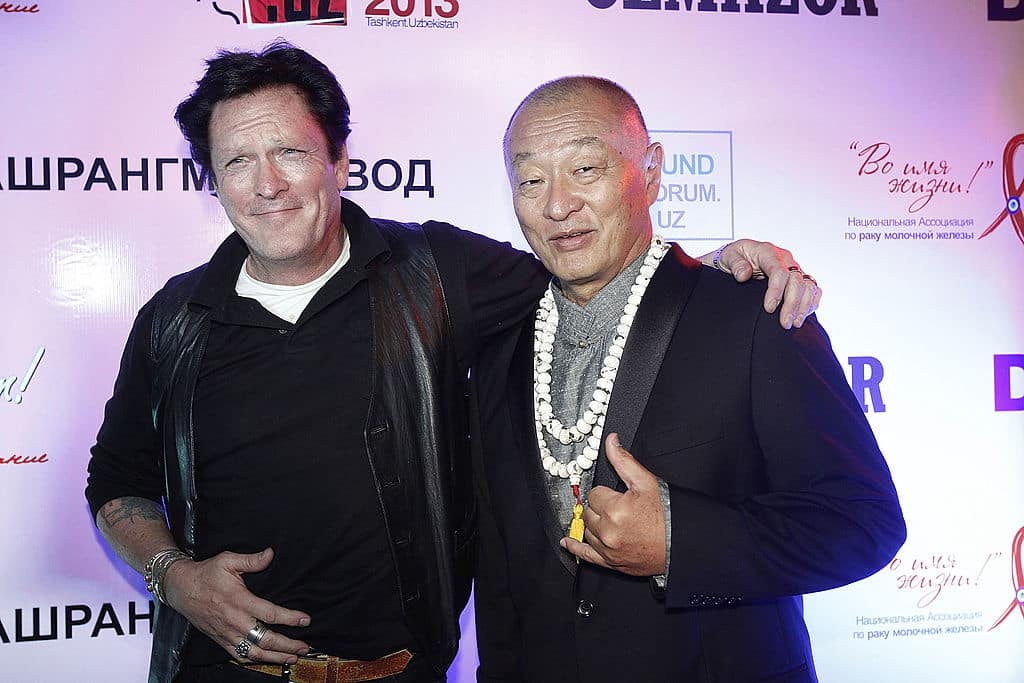
THE MAN WHO MADE VILLAINS UNFORGETTABLE
Tagawa’s career stretched across more than 150 film and television roles. He slipped seamlessly into cult classics and blockbuster productions, always adding a layer of elegance to the darkness he portrayed.
His film credits included Big Trouble in Little China, License to Kill, Rising Sun, Snow Falling on Cedars, Pearl Harbor, Planet of the Apes, Elektra, Memoirs of a Geisha, and 47 Ronin.
On television, he left impressions in MacGyver, Miami Vice, Hawaii, Revenge, and Star Trek: The Next Generation, along with a celebrated role in the acclaimed series The Man in the High Castle.
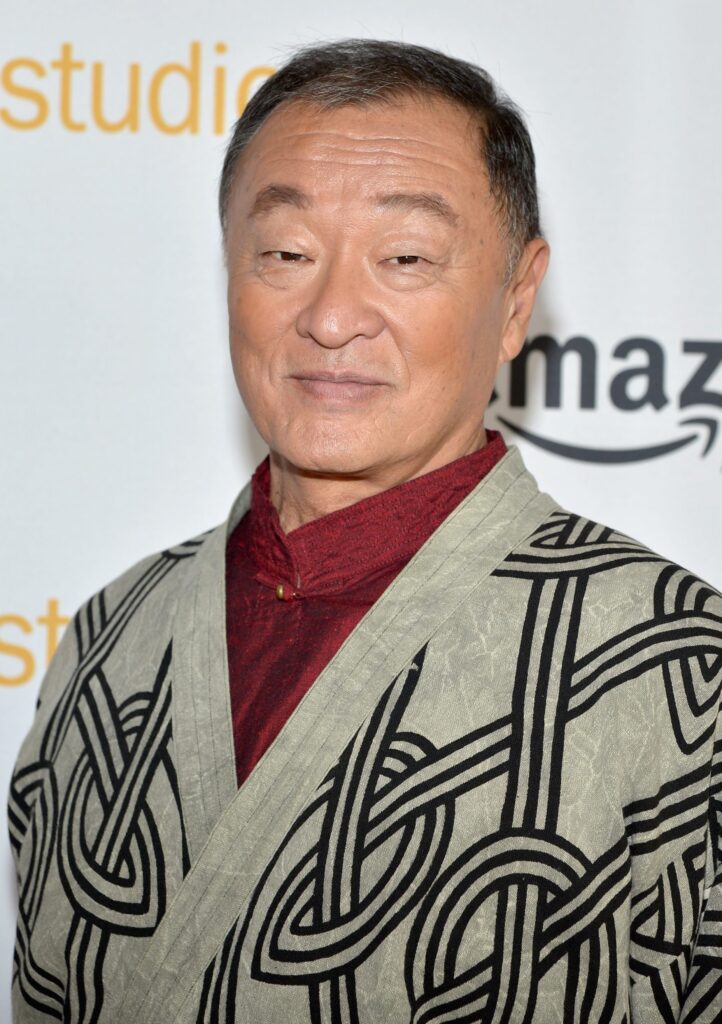
But no character shaped his legacy more than Shang Tsung.
As the soul-stealing sorcerer of the Mortal Kombat universe, Tagawa defined the role so completely that later portrayals echoed his every nuance. He first played Shang Tsung in the 1995 film, then reprised the part in Mortal Kombat: Annihilation, the web series Mortal Kombat: Legacy, and the franchises’ recent video games — including Mortal Kombat 11, which immortalized his likeness and voice for a new generation.
His delivery of the now-legendary line — “Your soul is mine” — became a cultural touchstone.
ROOTED IN DISCIPLINE
Tagawa’s power on screen was no accident. His physical presence was shaped by decades of martial arts training. He began with kendo in junior high, later practicing karate while studying at the University of Southern California. After graduation, he returned to Japan to train intensively under Master Nakayama of the Japan Karate Association.
His lifelong dedication eventually led him to create his own martial arts system, Chun-Shin — a philosophy of centered movement, spiritual alignment, and discipline.
That foundation made his villains feel real. Dangerous, yes — but purposeful. Rooted. Human beneath the myth.
HIS FINAL DAYS
Tagawa’s family confirmed that he passed away early Thursday morning, surrounded by his children, following complications from a stroke.
He leaves behind three children — Calen, Brynne, and Cana — and two grandchildren, River and Thea Clayton. His legacy spans continents, generations, and genres.
He taught audiences that power can whisper, not roar. That a villain can be mesmerizing. That presence can be crafted, not inherited.
And he reminded young actors everywhere that hype fades — but craft endures.
Cary-Hiroyuki Tagawa may have played the villain on screen, but in life, he was something much rarer:
A master of his art. A force of discipline and grace.
A man who turned shadows into storytelling.
May he rest in peace.