Let’s talk spaghetti—and the kind of kitchen standoff that can stir up a full-blown dinner table debate. You boil the pasta, drain it, and then comes the golden moment: do you rinse it or leave it as is?
Recently, my partner whipped up a gorgeous bowl of spaghetti with marinara, but skipped the rinsing step. I froze. The pasta looked… sticky. To me, unrinsed pasta just felt wrong. But does skipping that rinse really ruin a dish? Or is rinsing pasta just a leftover habit from another era?
Let’s dig into the facts, bust the myths, and finally answer this age-old pasta question.
Why Rinsing Pasta Even Became a Thing
Rinsing pasta isn’t just about cooling it down. It actually removes surface starch that forms during cooking. That sticky film you see when you drain pasta? It’s starch. Some cooks rinse it off to prevent clumping and keep noodles from sticking together like glue.
Especially when you’re making cold pasta salads, rinsing is common practice. Cold water cools the pasta quickly and gives you a clean canvas for tossing in vegetables, vinaigrettes, and proteins.
But for hot dishes? That’s where things get complicated.
Video: Should You Rinse Pasta After You Cook It?
How Starch Affects Texture and Flavor
When you boil pasta, starches break down and float into the water. If you rinse the noodles afterward, you’re essentially washing that starch away. This might give you a cleaner noodle—but it also strips off the very thing that helps sauce cling to pasta.
Starch isn’t the enemy. It acts like glue, binding your sauce to every curve and edge. Rinse it off, and your pasta might taste “naked,” with the sauce slipping off instead of coating each strand like a warm blanket.
If your partner skipped rinsing, they probably knew exactly what they were doing—maximizing flavor and keeping the sauce where it belongs.
The Science of Rinsing Pasta (or Not)
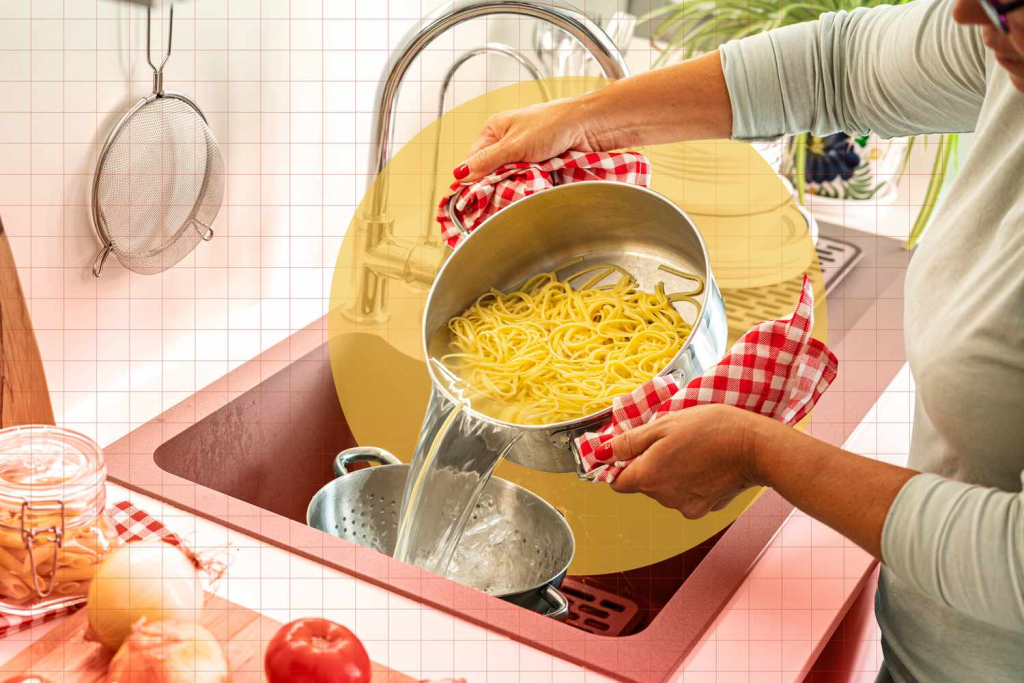
Here’s the thing: rinsing pasta does change how it behaves in a dish. The starch left behind after draining pasta continues to thicken the sauce naturally. That’s why many chefs recommend transferring pasta directly from boiling water to the pan of sauce—no rinse needed.
The science supports this method. As the pasta finishes cooking in the sauce, it absorbs flavor and releases starch, making the sauce richer and more cohesive.
Want creamy, glossy spaghetti that feels like a restaurant-level plate? Don’t rinse.
When You Should Rinse Pasta
Yes, there are exceptions. Here’s when rinsing makes sense:
- Cold Pasta Salads: You don’t want warm noodles wilting your greens or heating your dressing. A quick rinse cools the pasta and stops the cooking process fast.
- Asian Stir-Fried Noodles: Rinsing removes excess starch that could otherwise gum up your stir-fry.
- Over-Salted Water: Oops—went too heavy on the salt? Rinsing helps cut that flavor down a notch.
Bottom line: rinse when texture or temperature is a concern. Otherwise, let the starch stay.
Common Pasta Mistakes You Might Be Making
Video: The Biggest Mistakes Everyone Makes When Cooking Spaghetti
Let’s face it—most of us have made at least one pasta blunder. Here are a few to watch out for:
- Too Little Water: Pasta needs room to move. Skimping on water makes it more likely to stick.
- No Salt: Pasta cooked in unsalted water tastes flat. Add a generous pinch—think ocean-level salty.
- Overcooking: Pasta goes from perfect to mush fast. Taste it a minute before the suggested time and go from there.
- Rinsing Hot Pasta for Hot Dishes: Again, don’t do it. You’re robbing your sauce of a bonding partner.
What Experts Really Say About Rinsing
Chefs have opinions—and they’re strong ones. Lidia Bastianich, the Italian queen of pasta, famously tells home cooks not to rinse pasta for hot meals. The starch is essential, she says, to bring everything together.
America’s Test Kitchen agrees. They’ve run side-by-side comparisons, and the results are clear: unrinsed pasta creates better-textured, more flavorful dishes every time.
The general consensus? Rinse for cold. Leave it for hot.
Cultural Differences in Pasta Prep
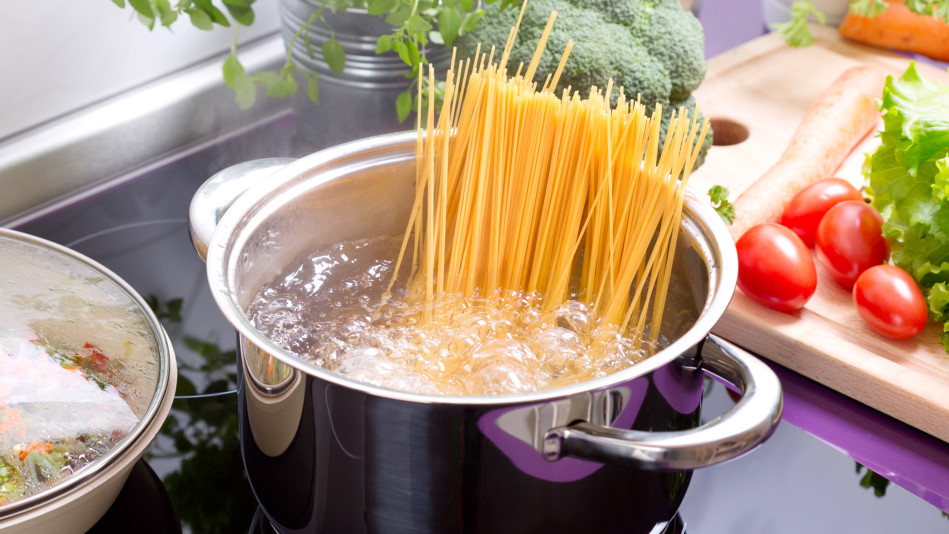
In Italy, rinsing pasta is basically a culinary crime. The starch isn’t just tolerated—it’s embraced. Italian sauces are designed to meld with the pasta, and rinsing ruins that chemistry.
But in other cuisines—especially across Asia—rinsing is totally normal. It serves a different purpose. Think of it like tailoring your tools to the recipe. There’s no one-size-fits-all rule.
The Internet Has Thoughts… And Hacks
Social media is full of kitchen hacks, and rinsing pasta has become one of the internet’s favorite debates.
One viral hack suggests rinsing with ice water for “perfect al dente” texture. Another recommends rinsing if your sauce isn’t sticking. Some of these work—but always think critically. Are you solving a real problem or just copying a trend?
A lot of great cooking comes down to intuition, not TikTok.
If You Didn’t Rinse… Now What?
Let’s say dinner’s almost done and you realize your pasta is a sticky mess. No worries—you can still save it.
- Toss it in a bit of olive oil or butter to separate strands.
- Mix it with the sauce immediately to loosen up clumps.
- If needed, rinse gently (yes, even warm pasta) for just a second to remove the worst of the starch.
Then plate it up and act like that was the plan all along.
Perfect Pasta, Every Time
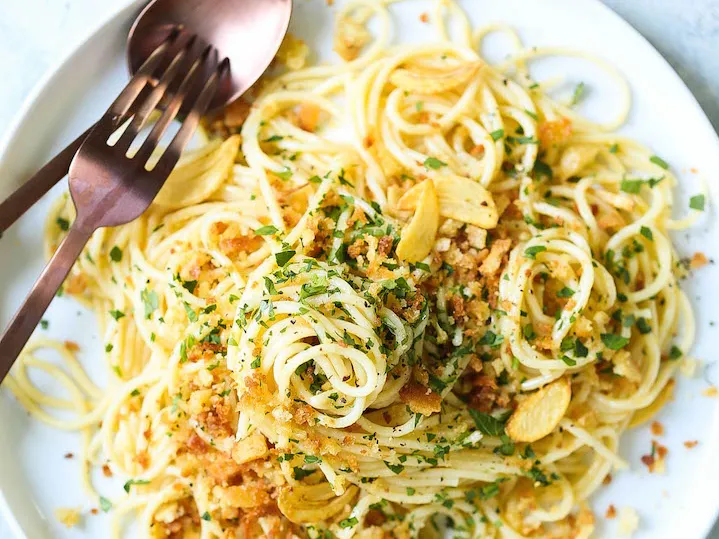
The real key to great pasta isn’t just the rinse-or-not decision. It’s how you cook and pair it:
- Use enough water and plenty of salt.
- Stir during the first few minutes to avoid sticking.
- Taste early and stop just before “done.”
- Let your sauce and pasta mingle, not sit on top of each other.
Once you’ve mastered the basics, the rinse becomes a tool—not a rule.
Conclusion: So, Is Rinsing Pasta a Must?
The short answer? No. Rinsing pasta is not a must—unless the dish calls for it. For hot, saucy meals, skip the rinse and let the starch work its magic. For cold salads or noodles that need to cool fast, rinse away.
What matters most is understanding the why behind your technique. Great pasta doesn’t come from rigid rules—it comes from making thoughtful choices and knowing what your dish really needs.
So the next time you see someone skip the rinse, don’t panic. They might just be onto something delicious.