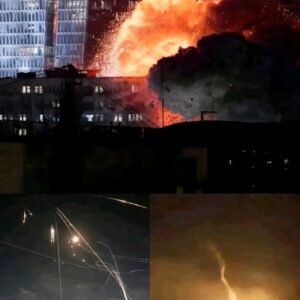
The world woke up to a political earthquake.
In a single night, an elected president was seized,
borders ignored, and the rules everyone claimed to respect were suddenly optional.
Allies quietly cheered. Rivals sounded the alarm.
In Latin America, memories of coups and covert ops came roaring back.
As capitals scramble, one chilling question ec… Continues…
In the aftermath, the image of Nicolás Maduro in foreign custody became more than a headline;
it turned into a mirror reflecting every government’s deepest fears.
For some, it was vindication, a message that even powerful strongmen could be held to account.
For others, it was a warning that legality now bends to force,
and that today’s target could be tomorrow’s precedent.
Behind closed doors, diplomats now weigh every word,
aware that silence can imply consent and criticism can invite backlash.
Smaller states quietly reassess their alliances, wondering whether treaties or raw power truly protect them.
Even supporters of the operation demand a legal narrative that doesn’t unravel under scrutiny.
As the world watches courts
, councils, and street protests respond,
one reality is unmistakable: the capture of Maduro
didn’t just remove a leader; it exposed how fragile the global rulebook has become.