The world jolted awake in disbelief.
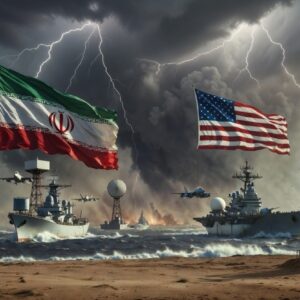
Donald Trump declared the U.S. had bombed three nuclear sites in Iran — including the heavily fortified Fordo facility — and called it a “very successful attack.”
Allies hesitated. Rivals seethed. Iran vowed consequences, warning the strike
would not go unanswered. Diplomatic hotlines lit up, markets panicked, and the specter of a region-wide war sud… Continues…
Trump’s triumphant declaration framed the operation as a turning point,
casting the strikes as a necessary blow
to prevent a larger conflict and force Iran to the table.
In Washington, some hailed
the move as decisive leadership; others warned
it shattered already fragile norms
, bypassing Congress and pushing the U.S. toward an unpredictable war of choice.
In Tehran, the rhetoric hardened instantly.
Iran’s leaders condemned the
attack as a criminal assault on their sovereignty,
invoking the UN Charter and insisting they retained “all options”
in self‑defense. European capitals scrambled to contain the fallout,
calling for restraint while privately fearing that one miscalculation
could ignite a regional inferno. At the United Nations,
urgent consultations underscored a grim reality:
whatever the tactical success of the strikes,
the world had entered a more dangerous, less stable chapter overnight.