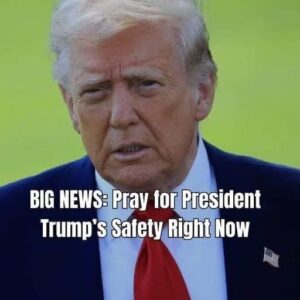
The ruling landed like a thunderclap. In a 5–4 split, the Supreme Court refused to shield billions in frozen foreign aid that Congress had already approved,
leaving the Trump White House cornered and furious. One side calls it a modest procedural step.
The other calls it a stunning power grab by unelected judges.
And for millions overseas whose lives depend on this money,
every hour of delay could be the dif… Continues…
Behind the legalese and late-night filings is a raw struggle over who truly controls
America’s power: a president determined to slash foreign aid and bend the bureaucracy to his will,
or a Congress that already signed the checks and a judiciary insisting those commitments be honored.
The Supreme Court’s narrow refusal to freeze the lower court’s order doesn’t force immediate payment, but it opens the door for a federal judge to demand that the administration follow through.
That four conservative justices dissented so angrily over such a limited move signals a
Court bracing for even fiercer Trump-era battles over executive authority.
Meanwhile, nonprofit groups warn that shuttered clinics, stalled HIV prevention,
and abandoned health projects abroad are not abstractions but life-and-death consequences
of Washington’s constitutional showdown. As judges argue over deadlines
and jurisdiction, entire communities wait to see whether promised American aid is a promise that still means something.