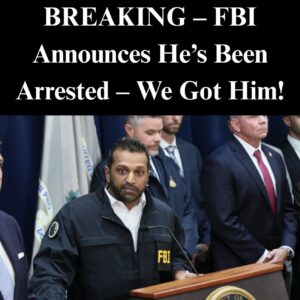
The world watched in disbelief. In a single announcement, Washington claimed not just the capture of Nicolás Maduro,
but the temporary control of an entire nation. Allies froze. Rivals circled.
Latin America braced for aftershocks. What began as “law enforcement”
now looks like something far more explosive, and the price for US power may only just be beg… Continues…
Trump’s declaration that the United States had seized Nicolás Maduro
and would temporarily administer Venezuela tore through diplomatic protocol like a rupture.
Washington framed the move as a fusion of counter-narcotics enforcement and national security,
insisting it was targeting criminality, not sovereignty. Yet airstrikes, a toppled president,
and foreign administration look indistinguishable from regime change, especially without a UN mandate or broad multilateral backing.
Each justification offered – humanitarian necessity, democratic rescue,
regional stability – collides with the uncomfortable fact of unilateral force.
Across Latin America, unease runs deep. Venezuela’s humanitarian collapse has already scattered millions,
and Maduro’s removal may harden, not heal, internal fractures among opposition figures,
security elites, and armed groups. Neighbors fear both spillover
chaos and the revived specter of US interventionism. Globally,
Russia and China seize the narrative, condemning American hypocrisy while quietly banking a precedent they can cite later.
At home, a war-weary US public weighs promised “stability” against another open-ended foreign commitment
. In the end, history’s verdict will hinge less on Maduro’s
downfall than on whether Washington truly restores
Venezuelan self-rule – or merely replaces one form
of domination with another, dressed in the language of liberation.