That forgotten kitchen tool could stop your unpacking cold. Left behind by strangers, an unfamiliar object can suddenly make your new home feel full of unanswered questions about the lives lived there before yours. But before you throw it away or put it to use, its shape, markings, and condition may offer the first clues to a hidden hist…
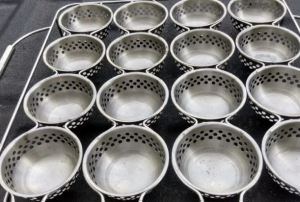
An odd utensil tucked inside a cabinet is often less mysterious than it first appears. Older kitchens relied on specialized implements for measuring ingredients, separating food, and handling repetitive tasks that modern appliances now simplify. To investigate a discovery, examine its construction and look for a maker’s name or engraved numbers. Comparing those details with reliable reference photographs, antique catalogs, or household guides can help establish its purpose. Without supporting evidence, however, an intriguing resemblance is not a definite identification.
Safety matters more than solving the puzzle quickly. Avoid using anything with unknown contents, exposed electrical parts, or questionable deterioration until its function and condition are understood. Once identified, a sound, useful item might deserve a place in your kitchen; others may suit donation or disposal. Even without monetary value, an everyday accessory can offer a quiet connection to earlier residents—the meals they prepared and the routines that once filled these rooms.

