Nine people died, and one unanswered question now hangs over their final flight. An aviation expert says the Learjet’s route through dangerous weather deserves scrutiny, as reports of icing and turbulence raise fears about what happened at altitude. With investigators still examining the crash, his theory points to a decision that may have left the crew facing an impo…
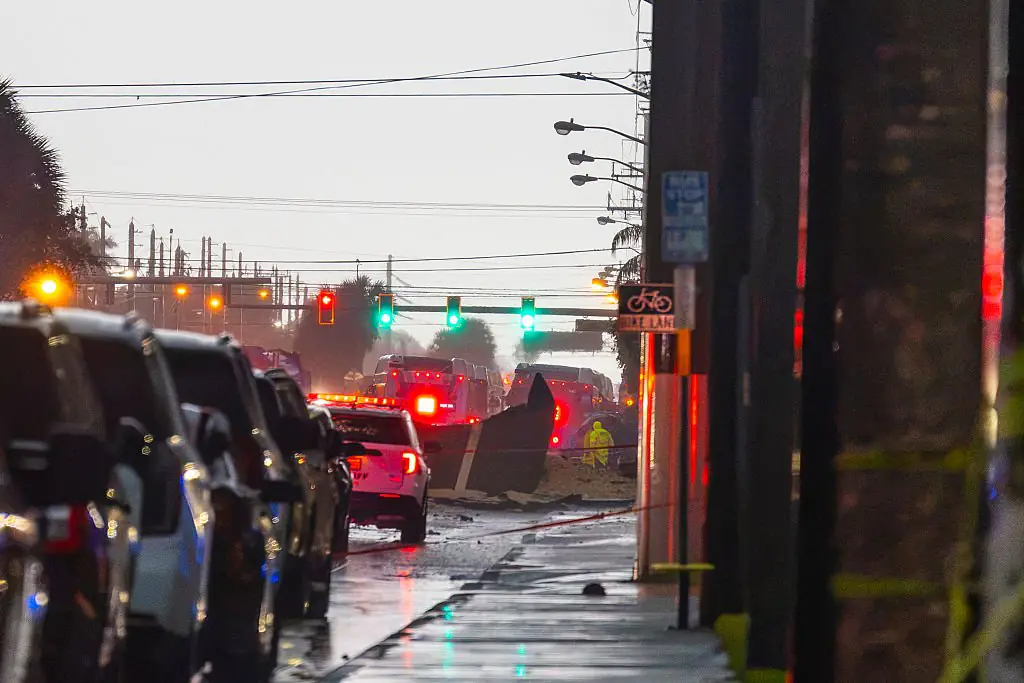
The Learjet 60 was traveling from Austin to the Bahamas when it reportedly crashed in Palm Beach County, Florida, on November 1, killing two pilots and seven passengers, including two young children. Veteran pilot and Jettly CEO Justin Crabbe told the New York Post that air traffic control had allowed weather deviations. He questioned why the crew did not avoid the storm, suggesting pressure to reach their destination as one possible explanation—not an established finding.
According to the account, the crew reported turbulence and icing before requesting a climb from 35,000 to 37,000 feet. Crabbe said that maneuver might have contributed to a stall: ice can disrupt airflow, leaving wings vulnerable at lower angles of attack. But he acknowledged how easily decisions can be criticized from safety. The official investigation remains ongoing, and neither the crash’s cause nor the pilots’ motivations have been established. Nine lives were lost; definitive answers remain outstanding.

