A blue star once promised hope; a gold star meant someone would never come home. Across generations, that quiet change has carried a family’s heartbreak into public view, turning an ordinary banner into a lasting tribute. But behind this familiar symbol lies a century of grief, solidarity, and a promise that the fallen will never fade from our reme…
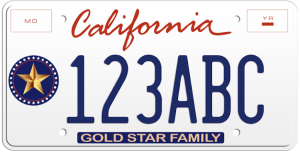
The Gold Star tradition traces its roots to World War I, when families displayed Blue Star Service Banners to recognize loved ones serving in the military. Each blue star represented a family member in uniform. When a service member died, a gold star took its place, marking a devastating absence while honoring the life behind it. What began as a simple household display became an enduring expression of sacrifice, mourning, and respect.
Over time, that shared experience helped build a community of support. American Gold Star Mothers was founded in 1928, and Gold Star Mother’s Day was established in 1936, giving national recognition to mothers who had lost children in military service. Today, the gold star remains both a tribute to the fallen and a reminder of those left behind. Its meaning reaches beyond remembrance: military loss continues within families, whose loved ones deserve lasting recognition, compassion, and care.