Your favorite sleeping position may not mean what you think. Those viral claims about confidence, sensitivity, and laziness can feel personal, but the real clues may involve comfort, pain, or breathing. Before you let a bedtime habit define who you are, take a closer look at what your body might actually need and what those familiar postures really reve…
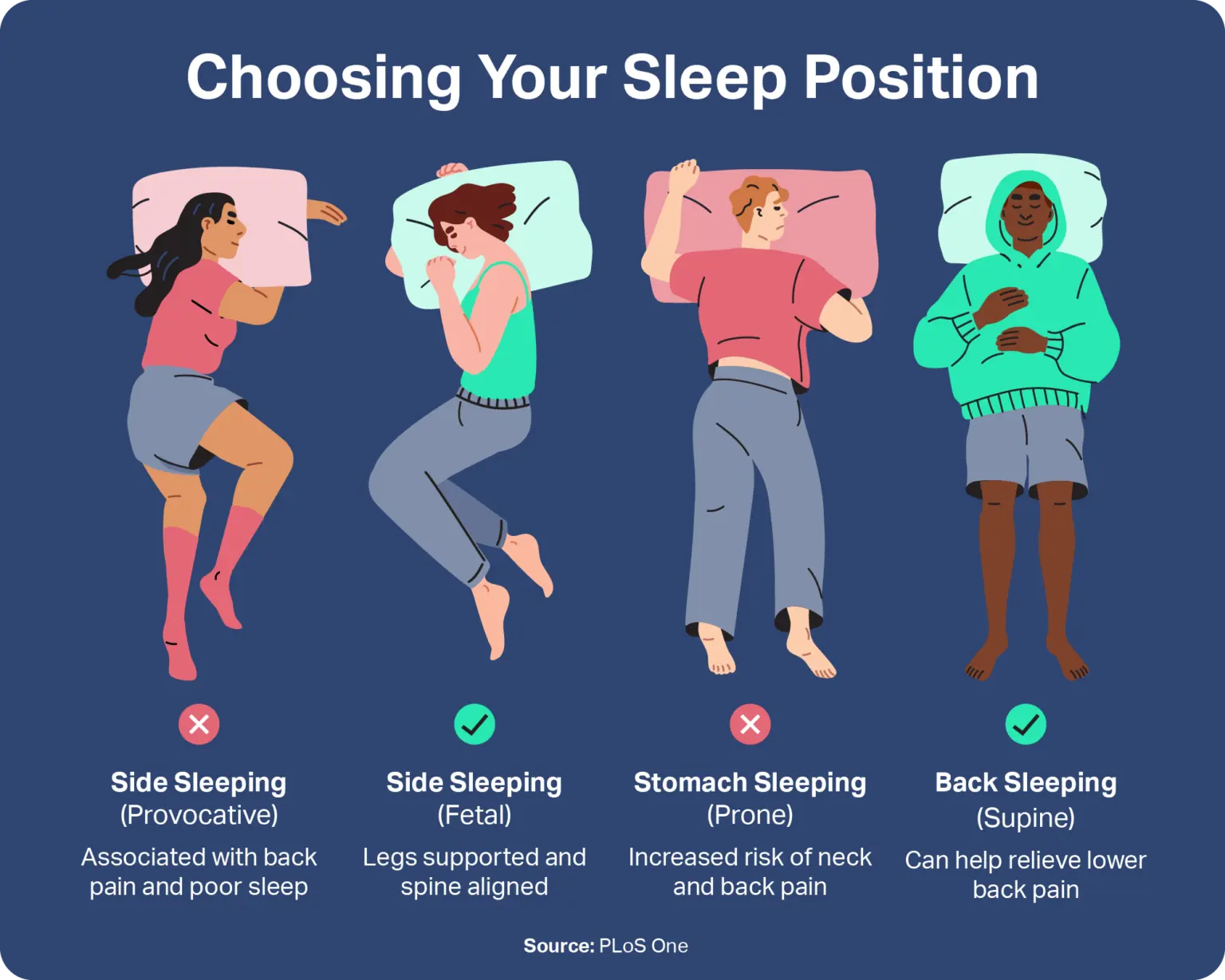
The way you settle into bed is not a reliable personality test. Despite popular illustrations linking sleep postures to confidence or laziness, those labels lack solid scientific backing. Your preferred position is more likely shaped by habit, temperature, mattress support, and physical comfort. Curling up may help you feel warm; stretching out may help you cool down. Even a familiar posture can change as your body responds to pressure throughout the night.
What matters most is how you breathe and feel afterward. Back sleeping can ease pressure on shoulders and hips, but may worsen snoring or obstructive sleep apnea. Arms overhead can feel comfortable yet leave some people with discomfort or tingling. Adjusting pillows may help, but recurring pain, numbness, or breathing interruptions deserve medical attention. Side sleeping can help some people with position-dependent apnea, but it does not replace prescribed treatment. Your posture is a clue—not a character verdict.