He was in his cell, waiting to be executed, and he asked as a last…See more
The United States, one of the countries with the highest number of incarcerated people in the world, faces a reality that has generated controversy, international criticism, and profound reflection on its judicial system: at least 79 minors under the age of 14 are serving life sentences without the possibility of parole.
The figure, revealed by human rights organizations such as Human Rights Watch and the Equal Justice Initiative, has sparked debate about juvenile justice and the moral limits of criminal punishment in the United States.
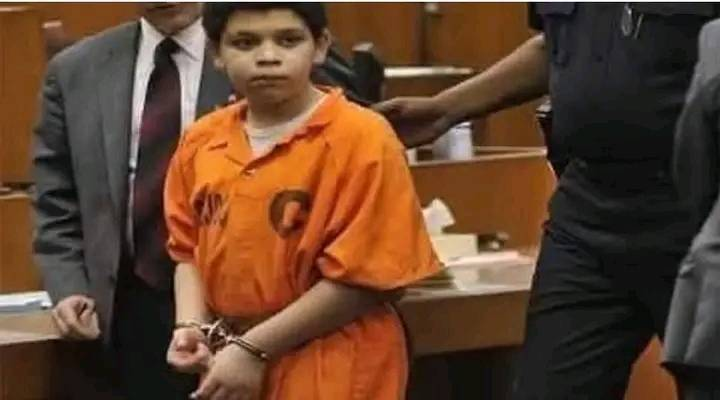
The cases contributing to this statistic are as diverse as they are disturbing. Some minors were charged with homicide during robberies, others with complicity in crimes where they didn’t even use a weapon. In most cases, they come from communities marked by poverty, neglect, structural racism, and domestic violence.
One of the most emblematic examples is that of Lionel Tate, arrested at age 12 for the death of a 6-year-old girl during a simulated wrestling match. Although his sentence was later reviewed, his case sparked a debate about the trial and punishment of minors as adults.
“Life sentences for children violate the most basic principles of justice and children’s rights,” says Juan Méndez, former UN Special Rapporteur on the Elimination of All Forms of Discrimination against Torture. “These minors have not yet fully developed emotionally, mentally, or morally. Subjecting them to a lifetime of imprisonment is tantamount to denying them any possibility of redemption or rehabilitation.”
In contrast, judicial authorities in several states argue that certain actions, even if committed by minors, have such serious consequences that they merit the maximum penalties. States like Florida, Michigan, and Pennsylvania top the list of states with the most children sentenced to life imprisonment.
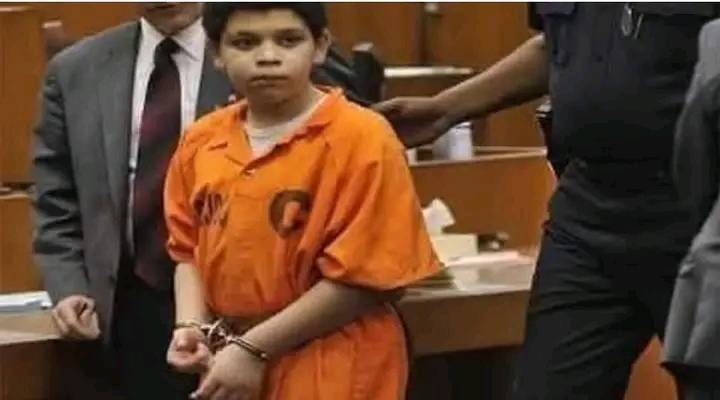
The U.S. Supreme Court has issued significant rulings in the last decade. In 2012, it declared mandatory life sentences for juveniles unconstitutional, and in 2016, it ruled that this ban should also be applied retroactively. However, many rulings have yet to be reviewed.
Civil organizations continue to fight for the review of these cases and the implementation of more humane policies. They propose alternatives such as restorative justice, social reintegration programs, and periodic review of sentences.
“Childhood should be a place of learning and redemption, not an unlocked prison cell,” says Bryan Stevenson, a civil rights attorney. “When we condemn a child to die in prison, we’re saying they’re incapable of change, and that flies in the face of all human and scientific logic.”
In a society constantly debating justice, security, and second chances, the case of the 79 minors sentenced to life imprisonment serves as a reminder that a nation’s humanity is also measured by how it treats its most vulnerable children.